
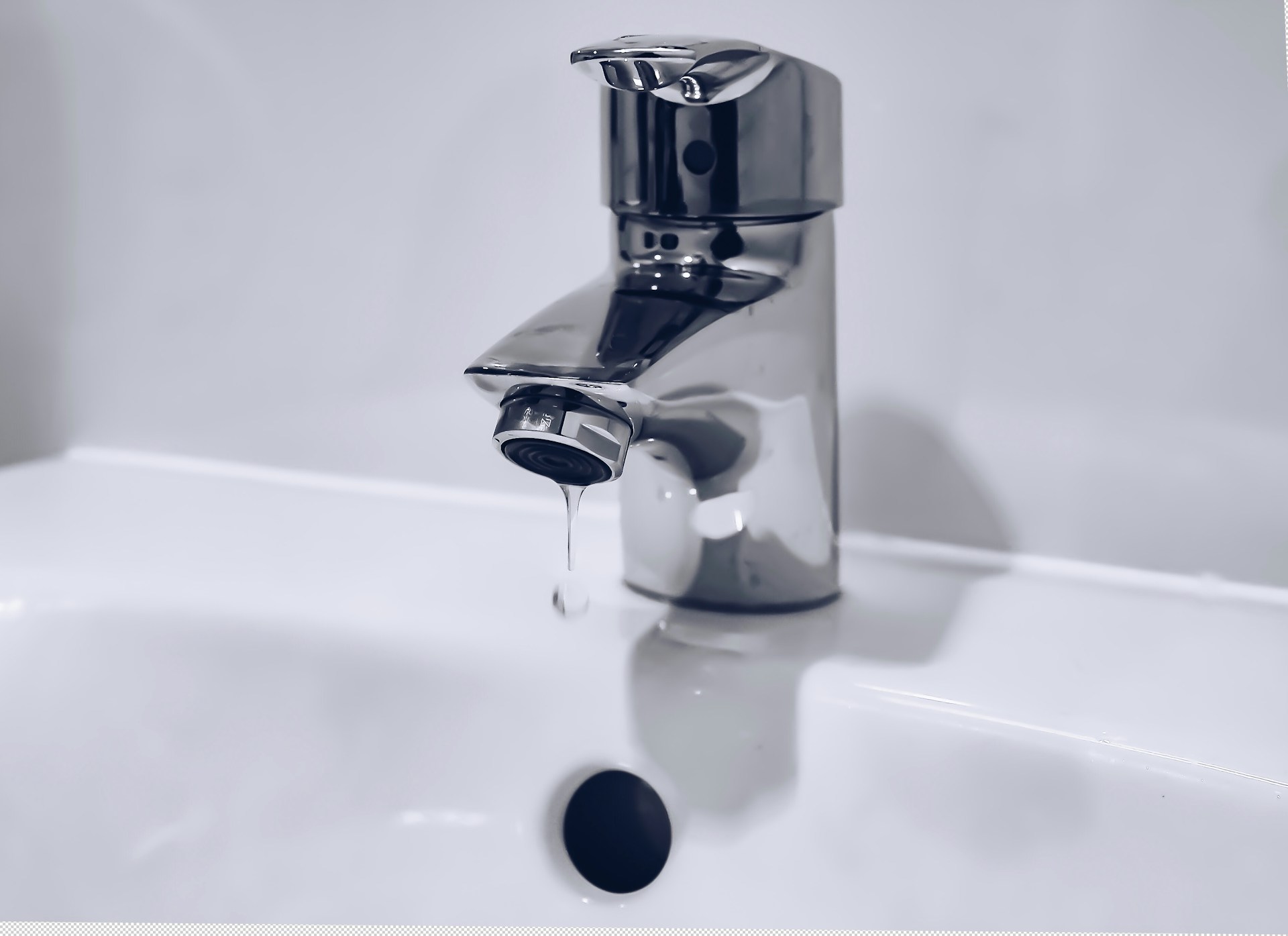
Hidden water leaks are one of the most costly and disruptive problems a homeowner can face. They often develop slowly behind walls, under floors, or beneath concrete slabs, making them difficult to detect until visible damage appears. By that stage, repairs can be significantly more expensive than early intervention would have been.
Understanding how leaks behave and what early warning signs to look for can save thousands in structural repairs, water bills, and restoration costs. More importantly, it helps protect the long-term integrity of your home.
This guide explains how to spot subtle indicators of hidden leaks, what methods you can use to confirm your suspicions, and when it may be time to involve a qualified plumbing company ASAP.
Many homeowners overlook the earliest signals simply because they seem minor or unrelated. However, even a small change in water usage or wall texture can be the first clue of a much larger underlying issue.
Why Hidden Plumbing Leaks Are So Serious
Hidden leaks are particularly dangerous because they rarely present themselves in obvious ways. Instead, water gradually seeps into structural materials, weakening them over time. This can lead to mold growth, wood rot, and even foundation issues if left unresolved.
What makes these leaks especially problematic is the delay between cause and visible effect. By the time you notice damp patches or warped flooring, the leak may have been active for weeks or even months.
Water damage is also cumulative. The longer it continues unnoticed, the more extensive and expensive the repairs become.
In some cases, a small pinhole leak in a pipe can waste hundreds of litres of water per day without any visible sign inside the home.
Early Warning Signs You Should Never Ignore
There are several subtle indicators that may suggest a hidden plumbing issue is developing. Recognising these early can make a significant difference in repair costs and damage control.
- Unexplained increase in water bills without a change in usage
- Damp, warm, or discoloured patches on walls, ceilings, or floors
- Musty or earthy smells, especially in enclosed spaces
- Low water pressure in taps or showers
- Sounds of running water when all fixtures are turned off
These symptoms may appear harmless at first, but together they often point toward an underlying leak within the plumbing system.
It’s also worth noting that not all leaks produce visible water. Some remain completely hidden within wall cavities or underground pipes, making detection more challenging.
A professional inspection from a trusted plumbing company is often required when multiple warning signs appear simultaneously.
Step-by-Step Ways to Detect a Hidden Leak
If you suspect a leak, there are practical steps you can take before calling in professional help. These methods can help narrow down the source and severity of the issue.
Start by monitoring your water meter. Turn off all water fixtures in your home and check whether the meter continues to move. If it does, this usually indicates a leak somewhere in the system.
Next, inspect common problem areas such as bathrooms, kitchens, and laundry rooms. Pay close attention to grout lines, skirting boards, and under-sink cabinets.
You can also perform a simple dye test in toilet cisterns. Add food colouring to the tank and wait 15–20 minutes without flushing. If the colour appears in the bowl, there is likely a silent leak.
Listen carefully in quiet conditions. Running or dripping sounds behind walls or under floors can often reveal the location of hidden leaks.
Finally, check for uneven floor temperatures or soft spots, especially in homes with slab foundations. These may indicate underground pipe leakage.
Tools and Techniques Used in Leak Detection
Modern leak detection has advanced significantly, allowing for more accurate and non-invasive diagnosis. Homeowners may not have access to all of these tools, but understanding them helps clarify how professionals work.
Specialised equipment often includes acoustic listening devices that detect the sound of water escaping under pressure. Thermal imaging cameras can identify temperature differences caused by moisture buildup behind surfaces.
Moisture meters are also commonly used to measure water content in walls and flooring materials. This helps confirm whether a suspected area is affected by hidden dampness.
Pressure testing is another method where sections of the plumbing system are isolated and monitored for pressure drops, indicating a leak.
These tools allow technicians to locate leaks with minimal disruption to walls or flooring, reducing overall repair costs.
When to Contact a Professional for Help
While minor issues can sometimes be monitored at home, persistent or unclear symptoms should not be ignored. Delaying professional intervention can significantly increase repair complexity.
If you have gone through basic checks and still suspect a problem, it is advisable to contact a qualified plumbing company for a detailed inspection.
Professionals can identify leaks that are not visible to the naked eye and determine whether the issue is isolated or part of a larger system failure.
They can also provide guidance on whether repairs are urgent or can be scheduled, helping you manage costs more effectively.
In many cases, early professional assessment prevents small issues from escalating into major structural damage.
Preventing Future Hidden Leaks
Prevention plays a major role in reducing the risk of hidden plumbing issues. Regular maintenance and awareness of your home’s water system can go a long way in avoiding unexpected damage.
Routine inspections are essential, especially in older homes where pipe wear is more common. Even small upgrades to fittings and joints can significantly reduce leak risk.
Below are practical preventive steps homeowners can take:
- Schedule annual plumbing inspections to identify early wear and tear
- Replace ageing pipes and fittings before they fail
- Avoid excessive water pressure, which can strain pipe joints
- Ensure proper sealing around sinks, bathtubs, and toilets
- Monitor your water bill regularly for unusual increases
- Keep an eye on damp or humid areas in bathrooms and kitchens
- Insulate exposed pipes to reduce expansion and contraction damage
Small maintenance habits like these can dramatically reduce the likelihood of hidden leaks developing over time.
Even something as simple as checking under sinks once a month can help catch early-stage issues before they escalate.
Water systems naturally degrade over time, but proactive care helps extend their lifespan and maintain efficiency.
Final Thoughts on Detecting Hidden Plumbing Issues
Hidden leaks are often silent but highly destructive. The key to minimising damage lies in early detection and prompt response. By paying attention to small changes in your home’s water behaviour, you can often catch problems before they become serious.
Combining basic home checks with professional support ensures a more reliable approach to plumbing maintenance. While some signs may seem minor, they should never be ignored if they persist or worsen.
Ultimately, staying alert and proactive is the most effective way to protect your home from costly water damage in the long run.