
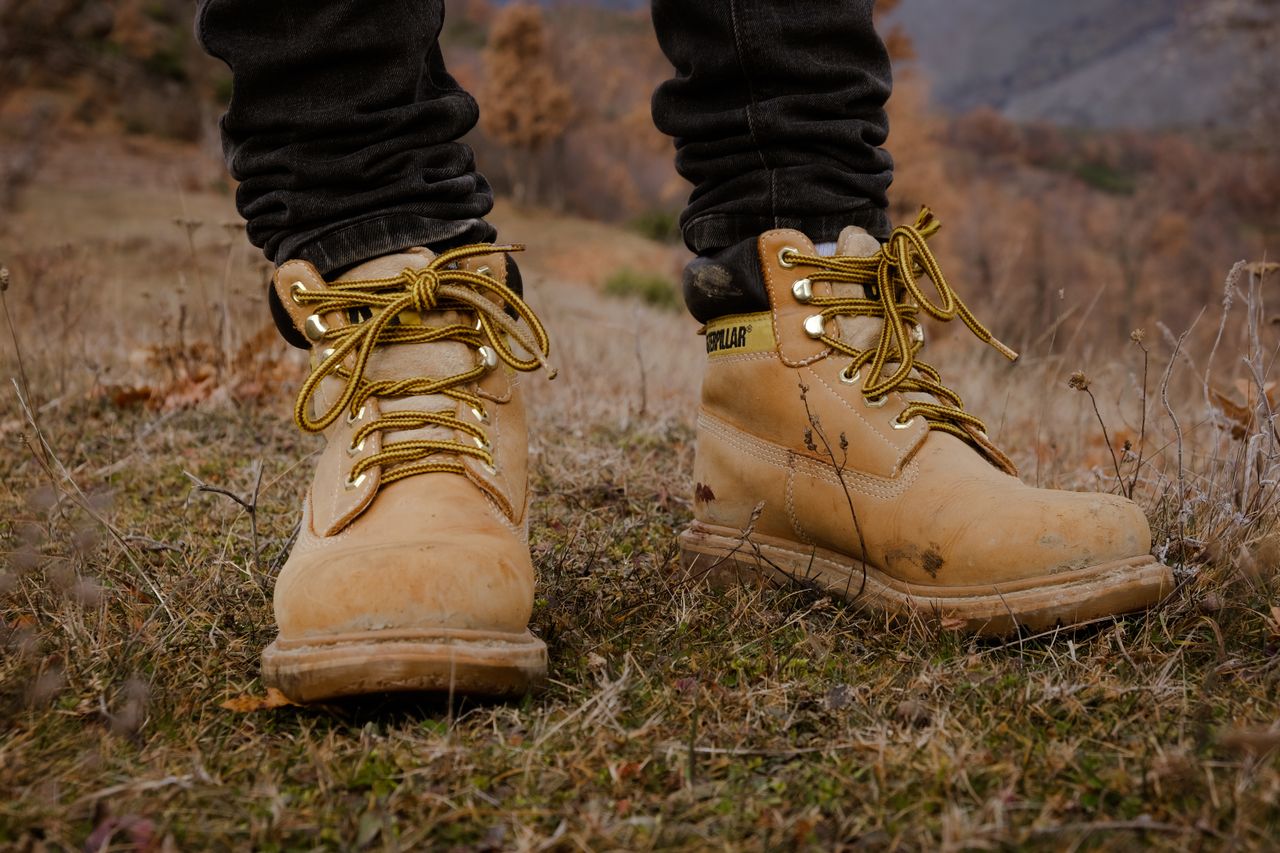
Standing for several hours, walking across hard surfaces, climbing stairs and working in demanding environments can place considerable strain on the feet. For workers who spend most of their day on their feet, footwear needs to provide more than basic protection. Comfort can influence how easily someone moves through a long shift and whether their feet feel supported at the end of the working day. Choosing the right safety boots therefore involves considering both protective features and everyday wearability.
A comfortable pair should fit securely without restricting natural movement. Cushioning, support, breathability, weight and flexibility can all affect how footwear feels after several consecutive hours of use. The best choice can also depend on the working environment, the type of tasks performed and whether the wearer spends most of the shift standing, walking or moving between different surfaces.
Understanding these features makes it easier to assess safety boots before purchasing them. Rather than focusing on a single specification, workers can look at how the different components work together to provide protection while helping reduce unnecessary pressure on the feet and lower legs.
Why Fit Matters for Long-Shift Comfort
Fit is one of the most important factors when choosing work footwear. Even a well-designed boot can become uncomfortable if it is too tight, too loose or unsuitable for the shape of the wearer’s foot. A boot that fits correctly should hold the heel securely while allowing enough room around the toes for normal movement.
Toe space deserves particular attention. Feet can change slightly in volume during the day, particularly after many hours of standing or walking. If the toe box is already restrictive, this change can make the footwear feel increasingly uncomfortable as a shift progresses.
A secure fit also helps prevent excessive movement inside the boot. When the heel repeatedly lifts or the foot slides forward, friction can increase and the wearer may adjust their walking pattern to compensate. Trying footwear on with the type of work socks normally worn can provide a more realistic indication of how the boots will fit during a shift.
Cushioning and Underfoot Support
The surface beneath a worker’s feet can have a noticeable effect on comfort. Concrete floors, warehouse surfaces and other hard materials provide little natural cushioning, meaning footwear has to absorb some of the impact associated with ordinary movement.
A cushioned footbed can help make each step feel more comfortable, particularly during prolonged standing or walking. However, cushioning is not simply about making a boot feel soft. Excessively soft materials may not provide the stability some workers need, while insufficient cushioning can make hard surfaces feel unforgiving.
Underfoot support is another consideration. A supportive footbed can help distribute pressure more evenly across the foot. Some designs also provide additional structure around the heel and arch, which may contribute to a more stable feeling during movement.
Workers with specific foot concerns may have different footwear requirements. If persistent foot pain occurs during or after work, discussing the issue with an appropriate healthcare professional can help determine whether footwear, work conditions or another factor may be contributing.
The Role of Boot Weight
Heavy footwear can become increasingly noticeable over a long working day. A small difference in weight may not seem important when trying on a boot for a few minutes, but repeated lifting of the feet over several hours can make heavier footwear feel more demanding.
Modern work footwear can use different materials to balance protection with manageable weight. The appropriate choice depends on the hazards present in the workplace. Protective components should not be removed or compromised simply to achieve a lighter boot.
When comparing different options, consider how the footwear feels while walking rather than judging weight by appearance alone. A boot that distributes its weight well can sometimes feel more manageable than a similarly weighted design with an awkward construction.
Flexibility and Natural Movement
Workers rarely remain completely stationary throughout a shift. Walking, crouching, climbing steps and getting in and out of vehicles can all require the foot to move naturally.
Some flexibility through the appropriate parts of the boot can make these movements easier. The sole should provide enough structure for the work environment while allowing normal movement where flexibility is useful.
The ideal amount of flexibility varies according to the job. A person working in an environment requiring substantial walking may have different requirements from someone who needs greater stability or protection for specific workplace hazards.
A useful approach is to think about the movements performed repeatedly during a normal shift. Footwear should support those movements without feeling excessively rigid or restrictive.
Breathability and Temperature Management
Warm, enclosed footwear can become uncomfortable when worn for extended periods, particularly in physically demanding workplaces or warmer conditions. Moisture can also accumulate inside footwear during prolonged wear.
Materials and construction can influence how well heat and moisture are managed. Some boots incorporate breathable sections or moisture-managing linings, although the effectiveness of these features depends on the complete design and the working conditions.
Socks also play a role. Work socks that manage moisture and fit properly can complement the footwear and help maintain a more comfortable environment inside the boot. Changing damp socks when practical may also help maintain foot comfort during extended periods of work.
Features That Can Improve Everyday Wear
Comfort does not come from one feature alone. Several smaller design details can influence how practical a boot feels over a full shift.
When assessing a pair, consider the following:
- A padded collar that reduces pressure around the ankle
- A secure fastening system that keeps the foot properly positioned
- A suitable toe box with sufficient room for natural movement
- A supportive and appropriately cushioned footbed
- A sole suited to the surfaces encountered at work
- Materials appropriate for the workplace temperature and conditions
- Construction that does not create unnecessary pressure points
These features should be considered alongside the protective requirements of the job. A comfortable boot is not necessarily suitable if it lacks the protection required for the hazards present in the workplace.
Choosing Footwear for the Working Environment
Different workplaces place different demands on footwear. Construction sites, warehouses, workshops, factories and outdoor work areas can expose workers to different combinations of impact, compression, slipping, moisture and uneven surfaces.
Before selecting a pair, it can help to consider the conditions systematically:
- Identify the main hazards present in the working environment.
- Determine what protective footwear requirements apply to the role.
- Consider whether most of the shift involves standing, walking, climbing or other movement.
- Assess the types of surfaces encountered throughout the working day.
- Consider temperature, moisture and ventilation requirements.
- Check the fit and comfort of the footwear while wearing suitable work socks.
- Review the manufacturer’s information about the boot’s intended use and protective features.
This approach helps prevent comfort from being considered in isolation. Protective footwear should be appropriate for the actual job rather than selected solely because it feels comfortable in a shop or during a brief fitting.
Sole Design and Grip
The sole can affect both comfort and confidence when moving around a workplace. A suitable outsole should provide traction appropriate for the surfaces where the footwear will be used.
Grip becomes particularly important in areas where floors may become wet, dusty, oily or uneven. The right sole design can help provide stability during ordinary movement, while the construction and tread pattern should be appropriate for the intended environment.
Sole thickness and flexibility can also influence how the boot feels underfoot. A suitable design can help separate the foot from hard or uneven surfaces while still allowing controlled movement.
Because workplace conditions vary, there is no single outsole design that suits every occupation. The focus should be on matching the sole to the surfaces and hazards encountered during normal duties.
Break-In Period and Initial Comfort
Some work boots may feel different after several hours of wear compared with how they feel during a short fitting. Materials can become more flexible with use, but footwear should not cause significant discomfort simply because it is new.
A sensible approach is to wear new boots for shorter periods when possible before relying on them for a full shift. This provides an opportunity to identify pressure points, heel movement or other fit problems.
If a boot consistently creates uncomfortable pressure in a particular area, continuing to wear it in the hope that the problem will disappear may not solve the underlying fit issue. Different foot shapes and boot designs can interact differently, so another size or model may be more appropriate.
Maintenance Can Affect Comfort
The condition of work footwear can influence how it feels over time. Worn cushioning, damaged linings, compressed insoles or deteriorating soles can change the way the boot supports the foot.
Regularly checking footwear can help identify signs of wear before they become more noticeable. Cleaning it according to the manufacturer’s recommendations can also help maintain the materials and construction.
Wet footwear should be allowed to dry appropriately rather than being subjected to methods that could damage the materials. Insoles and other removable components should also be inspected periodically, especially when they show visible wear or no longer provide the same level of support.
Comfort Should Not Replace Safety
For workplace footwear, comfort and protection need to work together. A boot that feels comfortable but does not provide the protection required for a particular job may not be appropriate, while highly protective footwear that is difficult to wear for an entire shift may create practical problems for the worker.
Safety requirements can vary according to occupation and workplace hazards. Protective features such as toe protection, slip resistance, penetration resistance or other specifications may be relevant depending on the environment.
The right choice is therefore based on the combination of protective requirements, fit, support, movement and working conditions. Manufacturer information and workplace safety guidance can help workers understand whether a particular boot is designed for their intended application.
Finding the Right Balance for Long Shifts
Long-shift footwear needs to remain comfortable after the initial fitting has been forgotten and the working day is well underway. Fit, cushioning, weight, flexibility, breathability and sole design can all influence that experience.
There is no single feature that guarantees comfort for every worker. Feet differ in shape, jobs involve different movements and workplaces expose workers to different surfaces and hazards. What feels suitable for a warehouse employee may not have the same advantages for someone working outdoors or on a construction site.
Taking time to assess the complete design can make the selection process more practical. When safety requirements are combined with a secure fit and appropriate support, workers can choose footwear that is better suited to the demands of their working day rather than focusing on appearance or one specification alone.