
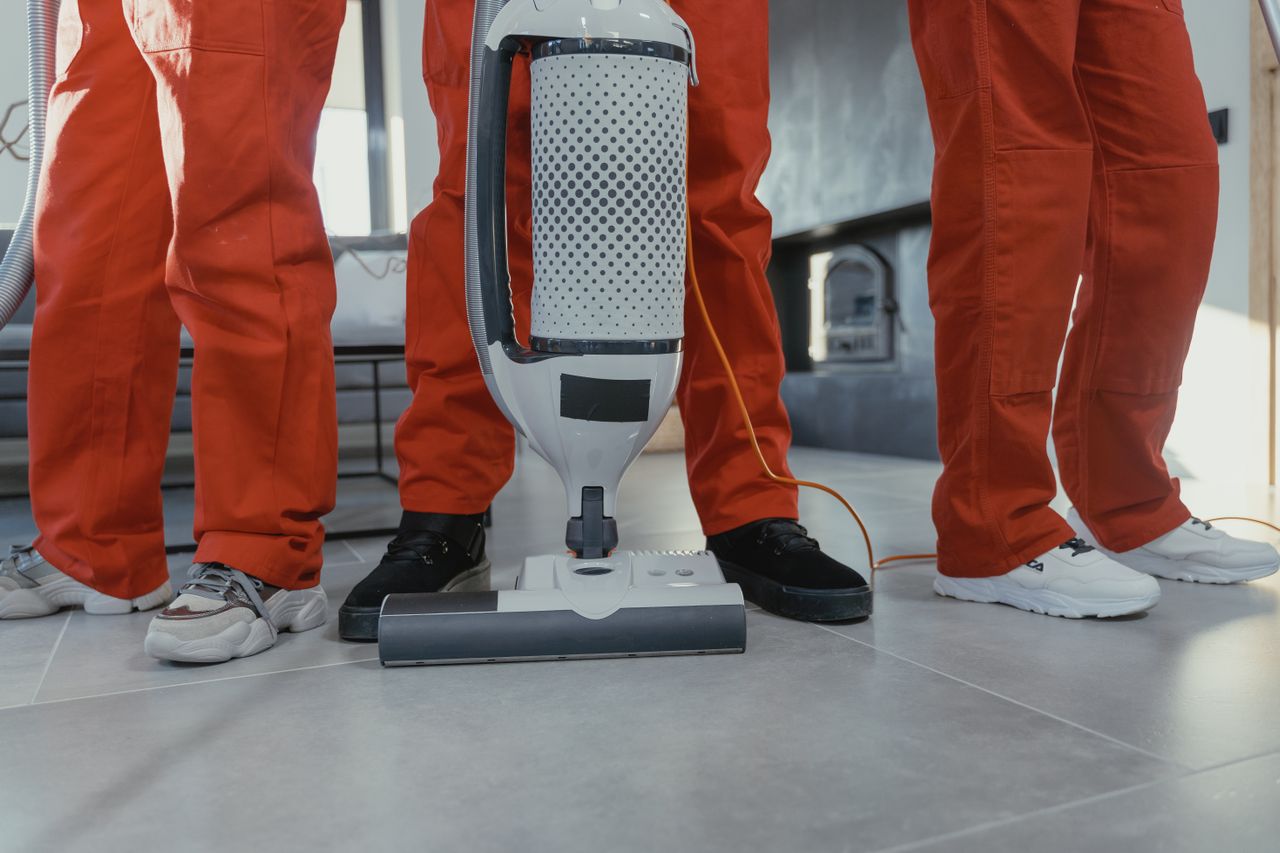
Requesting a cleaning quote is an important step when arranging professional cleaning services for a business. A clear request helps potential providers understand the premises, the level of cleaning required and the expectations for ongoing maintenance. Providing accurate information from the beginning can also make it easier to compare proposals and identify a service that suits the business’s operational needs.
Commercial premises vary considerably in size, layout and daily activity. An office with a few employees may require a different cleaning schedule from a retail store, warehouse or shared commercial building. When approaching cleaning companies in South Africa, businesses should therefore provide enough detail for each provider to assess the work involved rather than relying on a general description of the premises.
A well-prepared request can reduce misunderstandings, support more accurate pricing and establish a useful starting point for a professional working relationship. It also gives business owners an opportunity to clarify service expectations, discuss practical requirements and understand what is included before committing to an agreement.
Describe Your Business Premises and Its Cleaning Requirements
The first step is to explain the type of commercial property that needs cleaning. The layout and purpose of a building influence the tasks involved, the equipment required and the time needed to complete the work. For example, a professional office may have meeting rooms, reception areas and staff kitchens, while a retail environment may have customer-facing floors, display areas and storage rooms.
Include the approximate size of the premises in square metres, the number of floors and the general layout. If the building contains multiple offices, bathrooms, kitchens, boardrooms or common areas, mention these separately. Details about the number of employees and the typical number of visitors can also help a provider understand how frequently different areas may need attention.
It is useful to identify any areas that require additional care. A business may have glass partitions, polished flooring, carpets, sensitive electronic equipment or high-traffic entrances that need specific cleaning methods. Where relevant, mention restricted-access areas, security procedures and any surfaces that require specialised products or equipment.
These details allow a cleaning provider to assess the scope of the work more realistically. If a site inspection is necessary before a final price can be confirmed, the information supplied will help the provider prepare for that assessment.
Specify the Cleaning Tasks You Want Included
A cleaning quote should clearly identify the services the business expects to receive. General terms such as office cleaning or commercial cleaning can mean different things to different providers. One company might include only routine surface cleaning and waste removal, while another may offer a broader package covering kitchens, bathrooms, floors and shared facilities.
Prepare a list of the tasks that need to be completed during each visit. Consider which activities are essential for maintaining a clean, orderly and professional working environment. It is also important to distinguish routine cleaning from periodic or specialised services, as these may be priced separately.
Depending on the premises, the requested services might include:
-
Vacuuming carpets and cleaning hard floors.
-
Dusting desks, accessible surfaces and office furniture.
-
Cleaning and sanitising bathrooms and kitchen surfaces.
-
Emptying bins and replacing liners where required.
-
Cleaning glass doors, internal windows and reception areas.
-
Wiping frequently touched surfaces in shared spaces.
-
Cleaning staff break rooms and communal facilities.
Not every business will need all these tasks. The aim is to establish a practical list based on how the premises are used and the standard of cleanliness the business wants to maintain. If employees are responsible for clearing desks or removing personal items before cleaning, include that expectation as well.
For less frequent tasks, such as detailed floor treatment, internal window cleaning or cleaning difficult-to-reach areas, ask whether these can be included in the proposal or quoted separately. This helps prevent assumptions about work that may fall outside the standard service.
Explain How Often the Premises Should Be Cleaned
Cleaning frequency has a direct effect on the scope of a contract and its overall cost. A business that needs daily cleaning will generally have different requirements from one that needs a cleaner twice a week or only after occasional events. The right schedule depends on the size of the premises, the number of occupants, the nature of the work and the condition of the facilities throughout the day.
When requesting a quote, specify whether you need daily, weekly, fortnightly or once-off cleaning. If different areas require different schedules, explain this clearly. For instance, bathrooms and kitchen surfaces may need daily attention, while certain storage areas may only require periodic maintenance.
Operating hours should also be included. Some businesses prefer cleaning before employees arrive, while others require services after closing time to minimise disruption. If cleaning must take place during working hours, explain any restrictions concerning noise, access, customer activity or confidential work areas.
Providing a preferred schedule allows the provider to estimate staffing and labour requirements more accurately. It also creates an opportunity to discuss whether the proposed frequency is practical for the premises. The final arrangement should reflect the business’s needs rather than simply selecting the lowest-priced schedule.
Include Access, Equipment and Supply Requirements
Practical arrangements can affect both the price and delivery of a commercial cleaning service. Before requesting a quote, establish whether the cleaning provider is expected to supply cleaning products, tools and equipment or whether the business will make certain items available.
For example, a provider may need to bring vacuum cleaners, mops, cleaning chemicals, cloths and other supplies. Larger or specialised premises might require additional equipment. If the business already has suitable supplies, explain which items are available and whether the cleaning team is permitted to use them.
Access arrangements should be covered in the request as well. Commercial buildings may have controlled entrances, alarm systems, visitor registers or security staff who need to authorise entry. If the work must take place outside normal business hours, clarify how keys, access cards and alarm procedures will be managed.
Other useful details include parking availability, loading access, storage space for cleaning equipment and any site-specific safety rules. Where chemicals must be handled carefully or certain areas require protective equipment, these requirements should be discussed before the service begins.
Ask About Pricing, Exclusions and Contract Terms
A quote should do more than state a total amount. It should explain the services being provided and the basis on which the price has been calculated. Without this information, comparing proposals can be difficult because different providers may be pricing different levels of service.
When reviewing offers, ask whether the price is based on an hourly rate, a fixed fee per visit or a monthly contract. Clarify whether cleaning products, equipment, transport and any additional services are included. It is also worth checking how the provider handles public holidays, extra visits and requests outside the agreed schedule.
Before choosing a provider, check the following details:
-
Scope of work: Confirm the cleaning tasks and areas covered by the quote.
-
Pricing structure: Establish the total cost, payment terms and any additional charges.
-
Contract duration: Check the notice period, renewal conditions and cancellation requirements.
-
Service exclusions: Identify tasks that are not included in the standard fee.
Ask whether the provider can explain how changes to the premises or service requirements would affect pricing. A business may expand, introduce additional shifts or begin using areas that were previously closed. Understanding how these changes are handled can help avoid disagreements later.
The written proposal should also identify the arrangements for reporting concerns, requesting additional work and addressing missed tasks. Clear terms give both parties a shared understanding of their responsibilities.
Check Staffing, Supervision and Quality Control
The quality of a cleaning service depends partly on how the work is organised and monitored. When requesting a quote, businesses can ask who will perform the cleaning, whether the same team is expected to attend regularly and how service standards will be checked.
For larger premises, it may be useful to understand whether a supervisor will conduct inspections or serve as the main contact for queries. Smaller businesses may prefer a straightforward arrangement with one designated contact person. In either case, communication should be clear enough to resolve practical issues without unnecessary delays.
It is also reasonable to ask how staff absences are handled and whether replacement cleaners can be arranged when necessary. Where employees will have access to offices, equipment or confidential areas, enquire about the provider’s recruitment procedures, relevant training and security practices.
Businesses should avoid assuming that every provider follows the same procedures. Ask for details that are relevant to the premises and the proposed service, then assess the responses alongside the quote itself. A lower price may not offer the best value if important operational requirements are left unclear.
Prepare a Clear Request Before Comparing Quotes
Once the main requirements have been identified, put the information into a written request that can be shared with each prospective provider. Giving all providers the same description of the premises and expected work makes it easier to compare prices on a consistent basis. It also reduces the likelihood that one quote will exclude tasks another provider has included.
When contacting cleaning companies in South Africa, include the business address or area, approximate floor space, type of premises, required tasks, preferred cleaning frequency and operating hours. Add any relevant security, equipment or supply requirements, along with the date you would like the service to begin. If the business has a specific budget, you can mention it, although the scope of work should remain clear regardless of the available budget.
Where possible, arrange a site visit before accepting a final proposal. A physical assessment can help the provider identify access limitations, flooring requirements, high-use areas and other factors that may not be obvious from a written description. This is particularly useful for larger buildings or premises with specialised cleaning needs.
A thorough request provides a more reliable basis for comparing proposals and deciding which arrangement is suitable. By clarifying the work, schedule, pricing and service expectations in advance, businesses can make a more informed decision and establish a cleaning agreement that supports the day-to-day operation of their premises.