
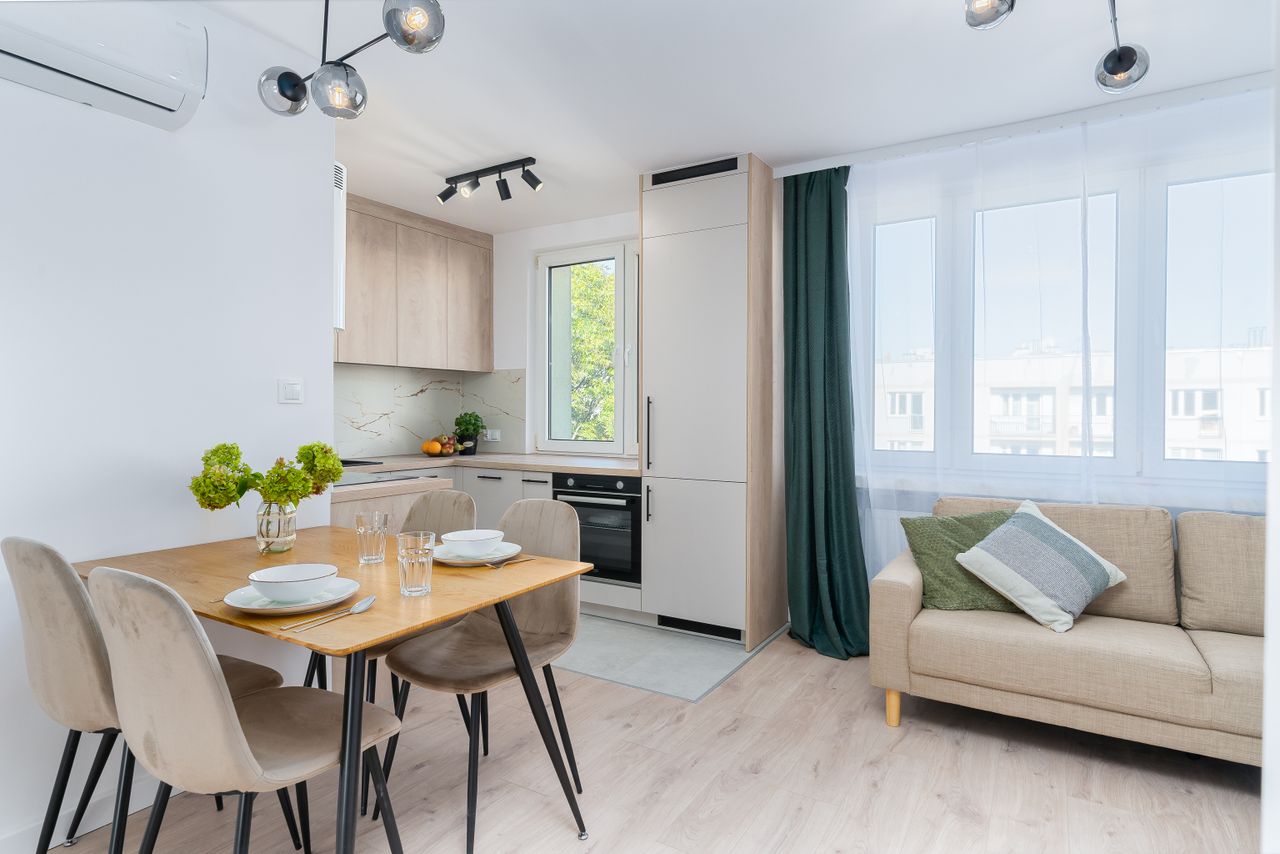
Staying in Cape Town for more than a few nights requires a different approach to choosing accommodation. A room that works well for a short holiday may feel less practical when you are staying for several weeks. Factors such as location, space, kitchen facilities, privacy, internet access and the overall layout of the property become much more important when accommodation also needs to function as a temporary home.
Longer stays can also involve a mixture of work, sightseeing, errands and everyday routines. Having somewhere comfortable to return to can make it easier to settle into the city rather than constantly feeling like you are passing through. For visitors considering accommodation managed by Fluent, understanding what makes a longer-stay property practical can help create more realistic expectations before booking.
Cape Town offers a wide variety of accommodation, from conventional hotel rooms to furnished apartments and serviced properties. The right choice depends on how you intend to spend your time, where you need to be located and which facilities will make everyday living easier. Looking beyond photographs and nightly rates can therefore be worthwhile when comparing options for an extended visit.
Consider the Location Carefully
Location is one of the most important considerations for a longer stay because you will experience the surrounding area repeatedly rather than visiting it only once or twice. A property may look appealing, but its suitability can change considerably depending on where you need to travel each day.
Think about the places you are likely to visit regularly. These could include a workplace, business district, university, medical facility, family home, restaurants, shopping areas or recreational spaces. Being relatively close to your regular destinations can reduce the amount of time spent travelling and make daily routines more manageable.
Cape Town is geographically diverse, and different neighbourhoods offer different experiences. Areas along the Atlantic Seaboard, for example, provide access to coastal surroundings, restaurants and leisure activities, while properties closer to the City can offer convenient access to business and cultural attractions. The best location is therefore closely connected to the purpose of your stay.
It is also worth considering the immediate surroundings rather than focusing only on the address. Look at access to supermarkets, cafés, public transport, pharmacies and other everyday services. These small conveniences can become much more significant when you are staying for several weeks.
Look Beyond the Number of Bedrooms
Space can have a major effect on comfort during a longer visit. A compact room may be perfectly adequate when you spend most of your time exploring the city, but an apartment with separate living and sleeping areas can provide more flexibility for an extended stay.
Consider how the space will be used throughout the day. If you are travelling for work, a dedicated table or suitable work area may be more useful than simply having a larger bedroom. If two or more people are travelling together, having separate spaces to relax can also make the accommodation feel more comfortable.
Storage should not be overlooked either. Longer stays usually involve more clothing, luggage and personal belongings. Adequate cupboards, wardrobes and shelving can prevent the living space from becoming cluttered.
A well-designed apartment can offer a useful balance between privacy and shared living space. Instead of having every activity take place in one room, guests may be able to prepare meals, work, relax and sleep in different areas.
Check the Kitchen and Everyday Facilities
For an extended stay, a functional kitchen can make a significant difference. Eating every meal at restaurants may not suit every traveller’s routine or budget, particularly when staying for several weeks.
Before booking, check which appliances and basic facilities are included. Depending on your needs, useful features may include a refrigerator, cooking facilities, microwave, washing machine, dishwasher and sufficient preparation space.
It is also helpful to establish what is actually provided rather than assuming that an apartment will contain everything required for everyday use. Information about kitchen equipment, laundry facilities and household essentials can help you decide whether the property matches your needs.
A practical kitchen does not necessarily need to be large. What matters is whether it supports the way you expect to live during the stay.
Think About Internet and Work-Friendly Features
Many longer-term visitors combine leisure with remote work or other online responsibilities. Reliable internet can therefore be an important part of choosing accommodation.
Consider whether the property provides Wi-Fi and whether there is a suitable place to work. A comfortable chair, table and adequate lighting may be more useful than a dedicated office if you only need to work for part of the day.
It can also be helpful to think about how the accommodation supports video calls and focused work. Noise levels, natural light and the layout of the apartment may all affect how practical it is to work from the property.
These considerations are particularly relevant for visitors who plan to stay in Cape Town while maintaining their usual professional routines.
Evaluate the Property’s Overall Comfort
When staying for an extended period, small details can have a larger effect on your experience. A comfortable bed, appropriate climate control, good lighting and a functional living area all contribute to how easily you settle into the accommodation.
Look at the property as a place where you will spend ordinary days, not just as a backdrop for a holiday. Ask yourself whether you would be comfortable spending a quiet afternoon there, preparing a simple meal, catching up on work or relaxing after a busy day.
The quality and condition of furnishings also matter. Modern, well-maintained furniture can make an apartment feel more functional, while practical storage and a sensible layout can reduce everyday inconvenience.
Understand What Is Included in the Stay
Longer bookings can involve different expectations around cleaning, linen, maintenance and other services. These details should be clear before confirming accommodation.
A property may be professionally managed while still operating differently from a hotel. Understanding the available support can help you know who to contact if a maintenance issue occurs or if you need assistance during your stay.
When comparing properties, consider these factors:
- What cleaning services are included and how frequently are they provided?
- Are linen and towels supplied for the duration of the stay?
- How are maintenance concerns handled?
- Is there a local team or contact available if assistance is required?
- Are there additional fees or conditions that apply to longer bookings?
Clear information can make the booking process easier and reduce misunderstandings once you arrive.
Consider Security and Building Access
Security is another practical consideration when selecting accommodation in an unfamiliar city. Guests should have a clear understanding of how they enter the building and access their apartment.
Depending on the property, this may involve controlled building access, designated parking, reception arrangements or other security measures. The specific setup will vary between buildings, so it is useful to check the property’s information before booking.
Parking can also be important if you plan to hire a vehicle. Find out whether parking is available, whether it is secure and whether any restrictions apply. If you will not have a car, consider how easily you can reach nearby services and destinations without one.
Think About the Length and Purpose of Your Stay
The ideal accommodation can depend heavily on why you are visiting Cape Town. Someone relocating temporarily for work may have different priorities from a couple spending several weeks exploring the city or a family visiting relatives.
For business travellers, location, workspace and reliable connectivity may be particularly important. For leisure visitors, access to restaurants, attractions and outdoor spaces could have greater importance. Families may place more emphasis on bedrooms, kitchen facilities, laundry and living space.
This is where furnished apartments and other longer-stay options can provide an alternative to conventional hotel accommodation. Having facilities designed around everyday living can make an extended visit feel more flexible.
Look at the Practicalities of the Neighbourhood
The surrounding neighbourhood becomes part of your accommodation experience. Before making a decision, think about what your typical day might look like in that area.
Being able to walk to a coffee shop, supermarket or restaurant can make a noticeable difference. So can having convenient access to coastal walks, parks, transport routes or other places you expect to visit regularly.
Cape Town’s neighbourhoods each have their own character and practical advantages. Rather than choosing an area solely because it is popular with tourists, consider whether its location matches your personal routine.
For visitors staying longer, this approach can make the difference between simply having somewhere to sleep and having accommodation that genuinely supports daily life.
Review the Property Information Before Booking
Photographs are useful, but they only provide part of the picture. Read the full property description and pay attention to details about facilities, occupancy, check-in arrangements and house rules.
If something important is unclear, obtaining clarification before booking is preferable to making assumptions. This is particularly relevant for longer stays, where a missing facility or unsuitable arrangement can become inconvenient over time.
It is also worth checking whether the photographs and description appear consistent. A well-presented listing should provide enough information for guests to understand the type of accommodation being offered.
Consider How You Will Spend Your Free Time
Longer stays provide more opportunities to experience Cape Town beyond the usual tourist itinerary. Your accommodation can support that experience by giving you a comfortable base from which to explore.
A property near the coast may suit visitors who want easy access to outdoor activities and seaside areas. Those who prefer city attractions, restaurants and cultural venues may value a location closer to the City.
Think about what you genuinely enjoy doing rather than simply selecting accommodation based on a list of popular attractions. A convenient base can make spontaneous plans easier and reduce the feeling that every outing requires extensive travel.
Choose Accommodation That Supports Everyday Living
A longer Cape Town visit calls for accommodation that works beyond the first impression. Location, space, facilities, connectivity, security and neighbourhood convenience all contribute to the overall experience.
For many visitors, the ability to prepare food, work comfortably, store belongings and relax in a properly furnished living space can make an extended stay considerably more practical. These features allow accommodation to function as a temporary home rather than simply somewhere to spend the night.
With a clear understanding of your own priorities, comparing longer-stay properties becomes much easier. Whether your plans involve working remotely, exploring the city, spending time with family or simply enjoying a slower pace, choosing accommodation around your everyday needs can help you make better use of your time in Cape Town.